Hi friends,
This has been an uncommon year, and I haven’t had as much time to paint or blog. However, I would like to get back to both and so— here I am!
Here in the US we are observing Indigenous Peoples Day, highlighting the lives, history and contributions of Native Americans. Living in Oklahoma, much of the Native history that I know is that of the Plains Tribes- we live within the Creek Nation and Hunter’s Home, where we’ve volunteered for living history, is a special place within the heart of the Cherokee Nation. However, a couple of weeks ago we were able to travel to the East Coast and learn a bit about the people native to the shores of Cape Cod. I’d love to share with you a bit about what we saw and learned….
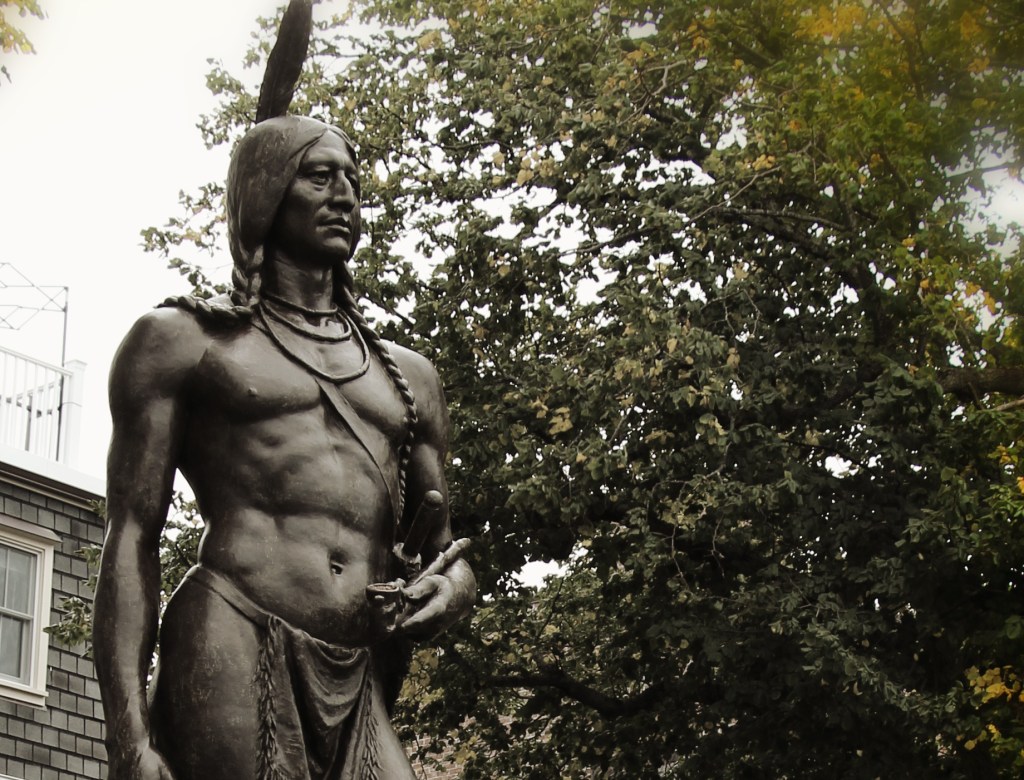
For several years, it has been a dream of mine to visit Cape Cad and specifically the Plimouth Patuxet living history museum. This museum is an open-air museum dedicated to showing the lives not just of the puritans who arrived in the 1620s, but the Wampanoag people who lived there centuries before that. In Plymouth Harbor, there is a beautiful and poignant state of Massasoit, a Wamapanog leader who made contact with the Puritans in those first years. The statue of Massasoit gazes levelly out over the harbor, seemingly taking in all that happens there.
Those first few years in Plymouth, there was a common peace among the puritans and the Wampanog. A few years before the settlers arrived, hundreds of Native Americans died in a mass sickness brought on from contact with other white explorers. Massasoit decided to become allied with the Puritans and helped them learn to raise crops and create shelters. In exchange, the Puritans would offer protection from other tribes who might seek to take advantage of the Wampanoag after they were weakened by sickness. It was a peace that did not last forever- but for a number of years there was some harmony and understanding between Native people and white settlers. It is this fleeting peace that we celebrate at Thanksgiving, and hopefully still strive for.
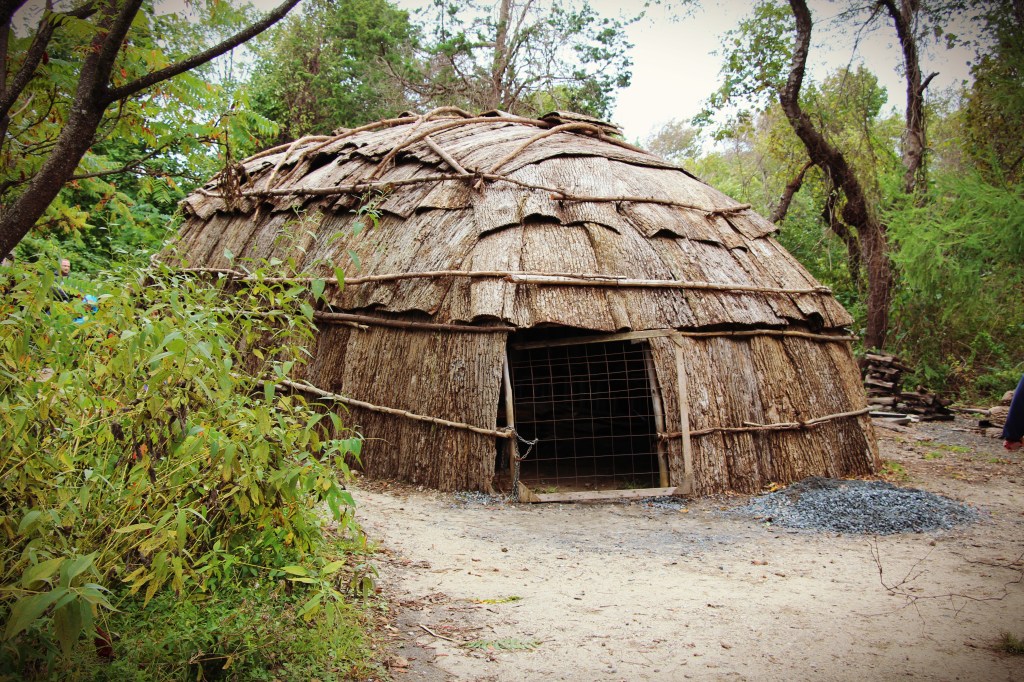
On the museum grounds there is a replica of a traditional Wampanog house- a Watu. The watu is made of young freshly cut saplings bent into shape and then covered with bark. In the winters, several family units might live in one large Watu, each with their own fire. In the warmer months they would then move to the more coastal areas to live closer to where they raised their crops.
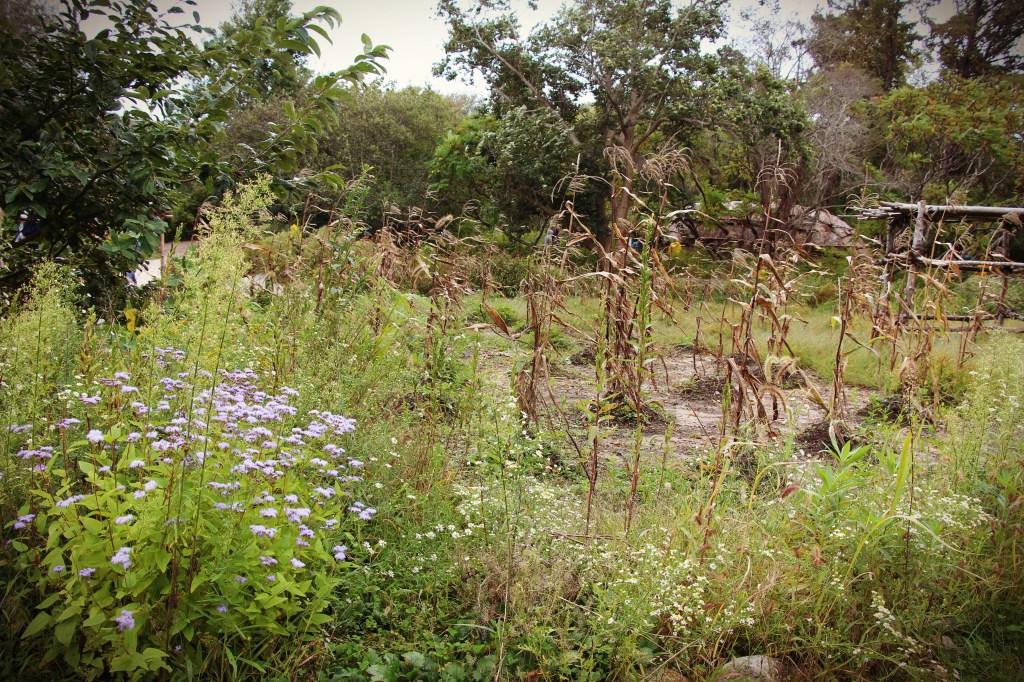
When we visited Plimouth Patuxet at the end of September, the harvest had already been collected. A few brown corn stalks remained in the field near the watu, and mounds of strawberries were green at our feet. It was a beautiful late autumn scene, and we were told by staff at the museum that this sunny season just after harvest was most likely when that long ago first Thanksgiving feast happened- not in November.
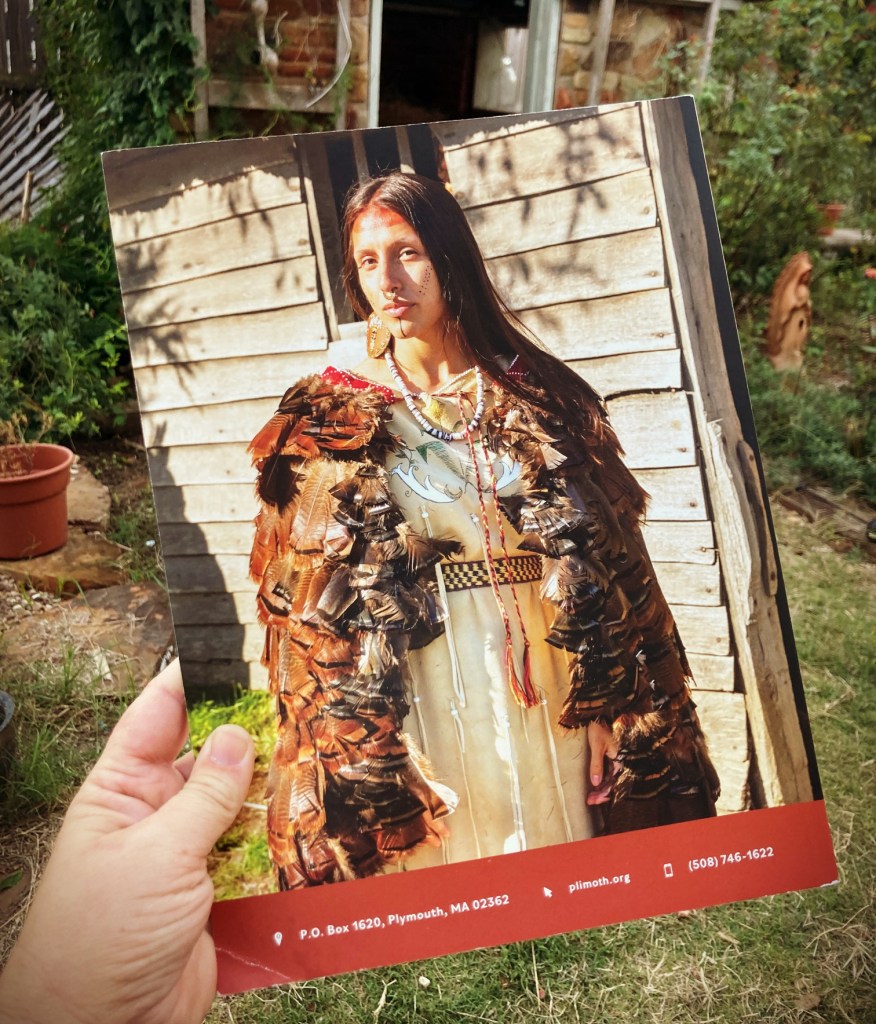
I returned home with a few books like THIS ONE that shares more about that first feast and the Wampanoag, including some traditional dishes that might have been available at the feast. I love this photo on the back of the booklet about Thanksgiving, and the Wampanoag woman’s beautiful cloak made of turkey feathers.
I am so thrilled that we were able to finally visit this historical museum and learn not just more about early American history but also this eastern tribe. There are thousands of Americans alive today who trace their ancestry back to a passenger on the Mayflower, and these people would not be here today if not for the help of the Wampanoag allies those centuries before.
And just as much now as then- peace and unity are so important. Its so fragile– and takes such work. Wishing you peace today and always,
Take Joy~
H
PS: I will be sharing more about our Cape Cod Adventures and new artwork in the coming days and weeks! Please come visit again!


 Sleightholm Folk Art
Leave a reply to Patricia Cancel reply